When we think about skill-building, it’s easy to imagine structured activities like worksheets, flashcards, or something that looks more like school than play.
But young children don’t learn best through pressure or performance. They learn through repetition, curiosity, and everyday experiences that feel safe and familiar.
The activities below don’t look like lessons. To kids, they’re simply play. But underneath the fun, real skills are developing—slowly, naturally, and in ways that actually stick.
1. Sorting Games With Everyday Objects
Sorting doesn’t need special toys or elaborate setups. A small basket of buttons, toy cars, shells, or blocks is more than enough. Ask your child to group items by color, size, or type, or simply let them decide how they want to sort.
What’s happening beneath the surface is important. Children are learning how to notice differences, make decisions, and organize information, which forms the foundation for math, reading, and logical thinking later on.
Sorting also encourages focus and follow-through, especially when kids are free to work at their own pace without correction.
Skills supported: categorization, early math concepts, attention, problem-solving
Why it helps: it strengthens thinking skills without feeling academic or forced
2. Building and Stacking Challenges
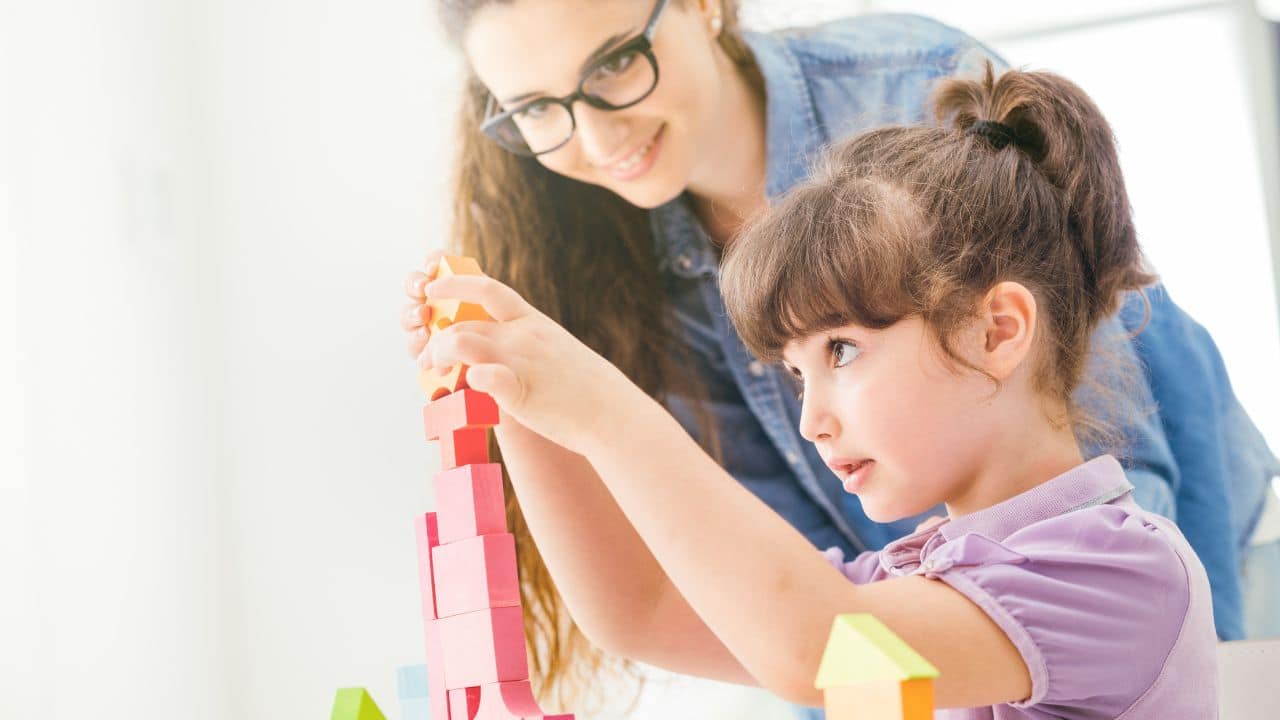
Building towers with blocks, stacking cups, or creating structures with pillows and cushions may seem simple, but this type of play is doing a lot of heavy lifting for developmental growth.
Children are experimenting with balance, gravity, and cause-and-effect. When something falls, they naturally adjust their approach and try again. That trial-and-error process builds persistence and confidence, even when frustration shows up briefly.
Over time, kids learn that effort matters more than getting it right the first time. It’s a skill that supports learning far beyond childhood.
Skills supported: spatial awareness, planning, resilience, problem-solving
Why it helps: children learn by doing, failing, and trying again
3. Pretend Play Using Real-Life Roles
Pretend play is one of the most powerful tools children have for understanding the world around them. Playing “grocery store,” “doctor,” or “restaurant” helps kids process daily experiences in a way that feels safe and controlled.
As they act out familiar roles, children practice language, sequencing, and social interaction. They also work through emotions—both theirs and others’, which supports empathy and emotional regulation.
This kind of play doesn’t need scripts or instructions. The more open-ended it is, the more meaningful it becomes.
Skills supported: communication, social development, emotional awareness, imagination
Why it helps: children make sense of real life through play
4. Fine Motor Play Disguised as Fun
Fine motor skills develop best when children are using their hands in purposeful ways. Activities like threading beads, using tweezers to move small objects, squeezing play dough, or peeling stickers strengthen the muscles needed for writing, dressing, and self-care.
Because these activities feel creative or playful, kids are more likely to stick with them and less likely to feel frustrated or rushed. Over time, small improvements add up in big ways.
This is skill-building that happens quietly, without pressure or performance expectations.
Skills supported: hand strength, coordination, control, independence
Why it helps: strong hands support everyday independence later on
5. Turn-Taking and Cooperative Play
Learning to wait, share, and take turns doesn’t happen overnight. Simple back-and-forth activities such as rolling a ball, stacking blocks together, or playing beginner board games give children natural opportunities to practice these skills.
Through cooperative play, kids begin to understand fairness, patience, and emotional regulation. They also learn how to handle small disappointments, like losing a turn or watching someone else succeed.
These skills take time, and play offers a gentle way to practice them without pressure.
Skills supported: self-regulation, social skills, emotional resilience
Why it helps: kids learn best through shared experiences
Why Play-Based Skill Building Works
Little ones don’t need constant instruction to grow. They need time, space, and opportunities to explore without being rushed. When skill-building is woven into play, learning feels natural—and parents feel less pressure to “do it right.”
The goal isn’t to teach everything at once. It’s to support growth through simple, repeatable moments that fit naturally into everyday life.
Small play moments matter more than perfect plans.

Thalia Mercer is a creator and writer. She shares easy craft ideas and creative activities designed to support learning, exploration, and everyday creativity at home. She is mama to a young son and loves finding small moments of expressiveness in ordinary days.